Old rooftops, open countryside, a path that disappears into the trees. This is the Czech Republic, the country NFP/H calls home. There is plenty to notice here, from a city shaped by centuries to an ordinary afternoon by the river. A few glimpses are a good place to begin.
Czechia and the Czech Republic are two names for the same country in Central Europe, between Germany, Poland, Slovakia, and Austria. Prague is its capital, but the picture keeps changing beyond it. Bohemia, Moravia, and Czech Silesia bring different landscapes and local traditions into the frame. You might leave a busy square and find yourself among ponds, wooded hills, or a village where the church tower is still the tallest thing around.
REGION
Central Europe
LANGUAGE
Czech
CURRENCY
Czech koruna
02 / FIVE GLIMPSES
More than one view.
Cities, countryside, and a few places in between.
01PRAHA / THE CAPITAL
Prague
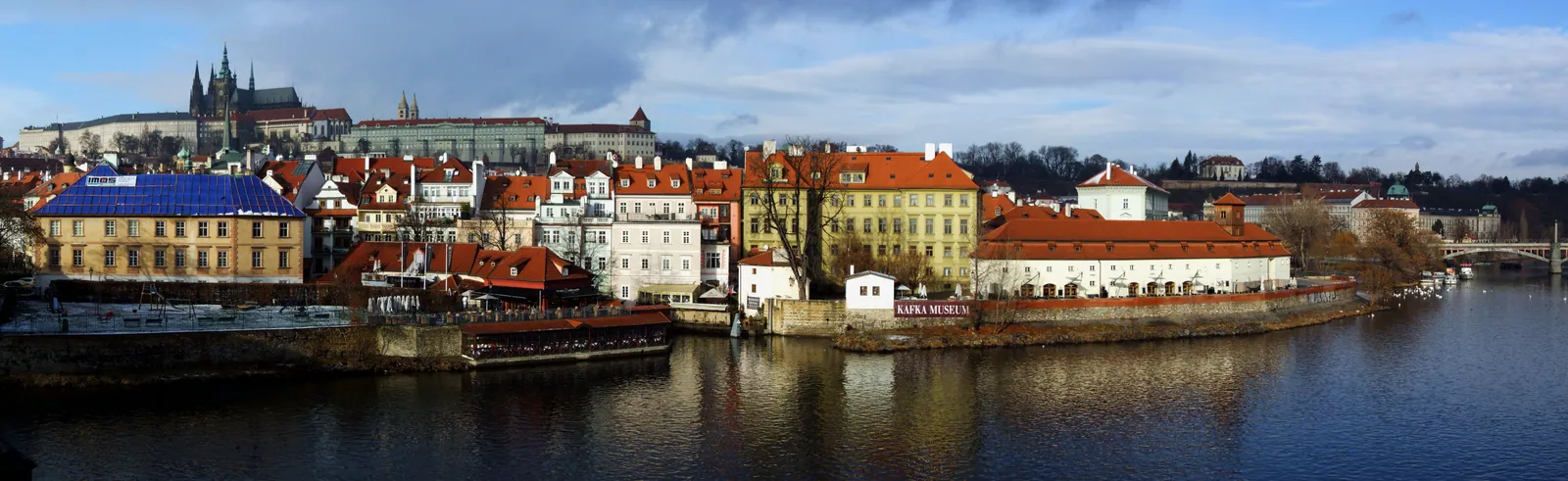
The Vltava gives Prague a line to follow. Bridges cross it, trams run alongside it, and the castle watches from above. Gothic towers and Baroque façades share the city with cafés, parks, and everyday neighbourhoods. The familiar skyline is only the beginning; a quieter street or a riverside walk gives the capital a different pace.
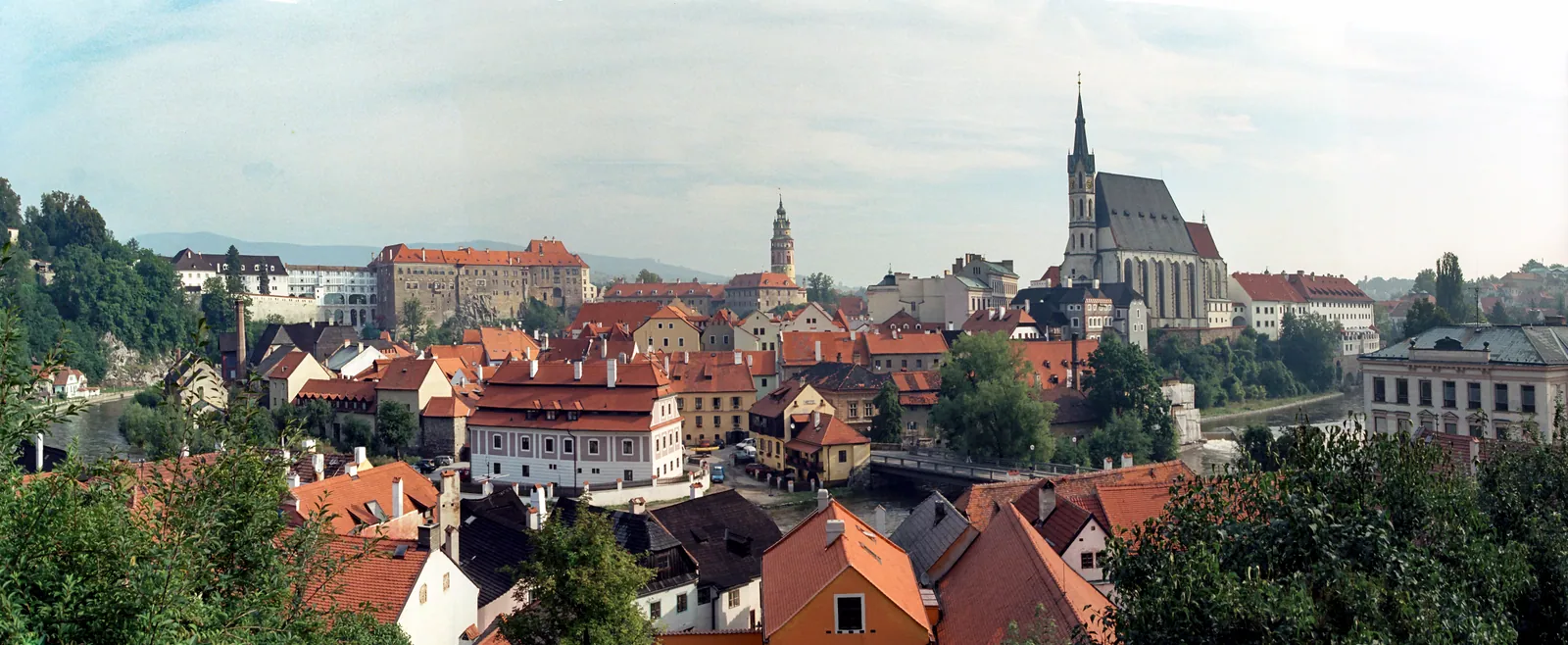
Here the river bends around a compact old town, gathering red roofs and narrow lanes beneath a castle. Český Krumlov rewards a closer look: a painted façade, a courtyard, the changing view from a bridge. Its historic centre belongs to the UNESCO World Heritage List, but the town is also a place to slow down and look around.
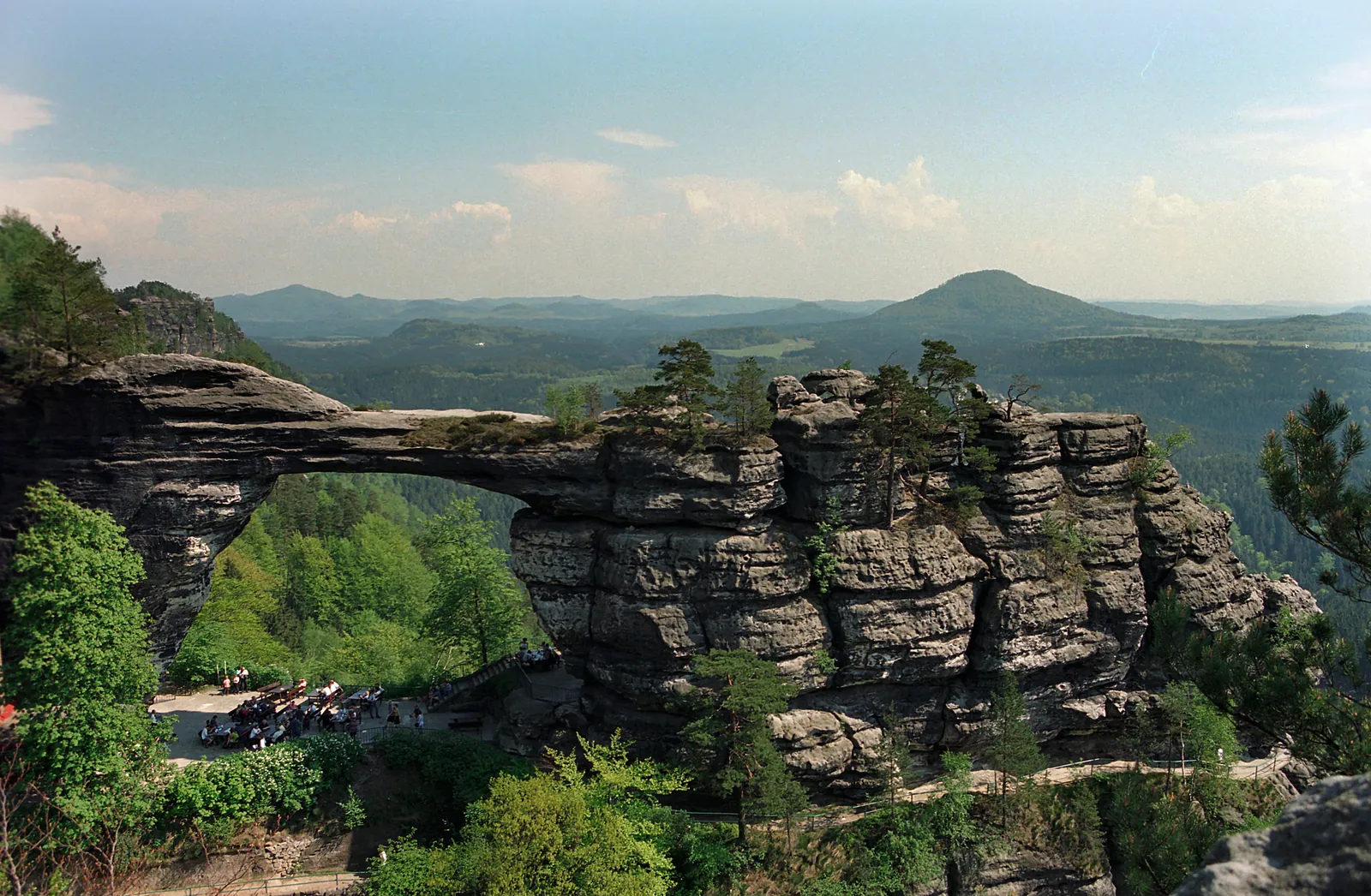
In the north, sandstone rises out of the forest in towers, walls, and natural arches. Pravčická brána is the best-known outline, part of a landscape shaped over millions of years. Bohemian Switzerland is a reminder of how much of Czechia lies outside its towns: layered hills, deep valleys, and space to pay attention to something smaller.
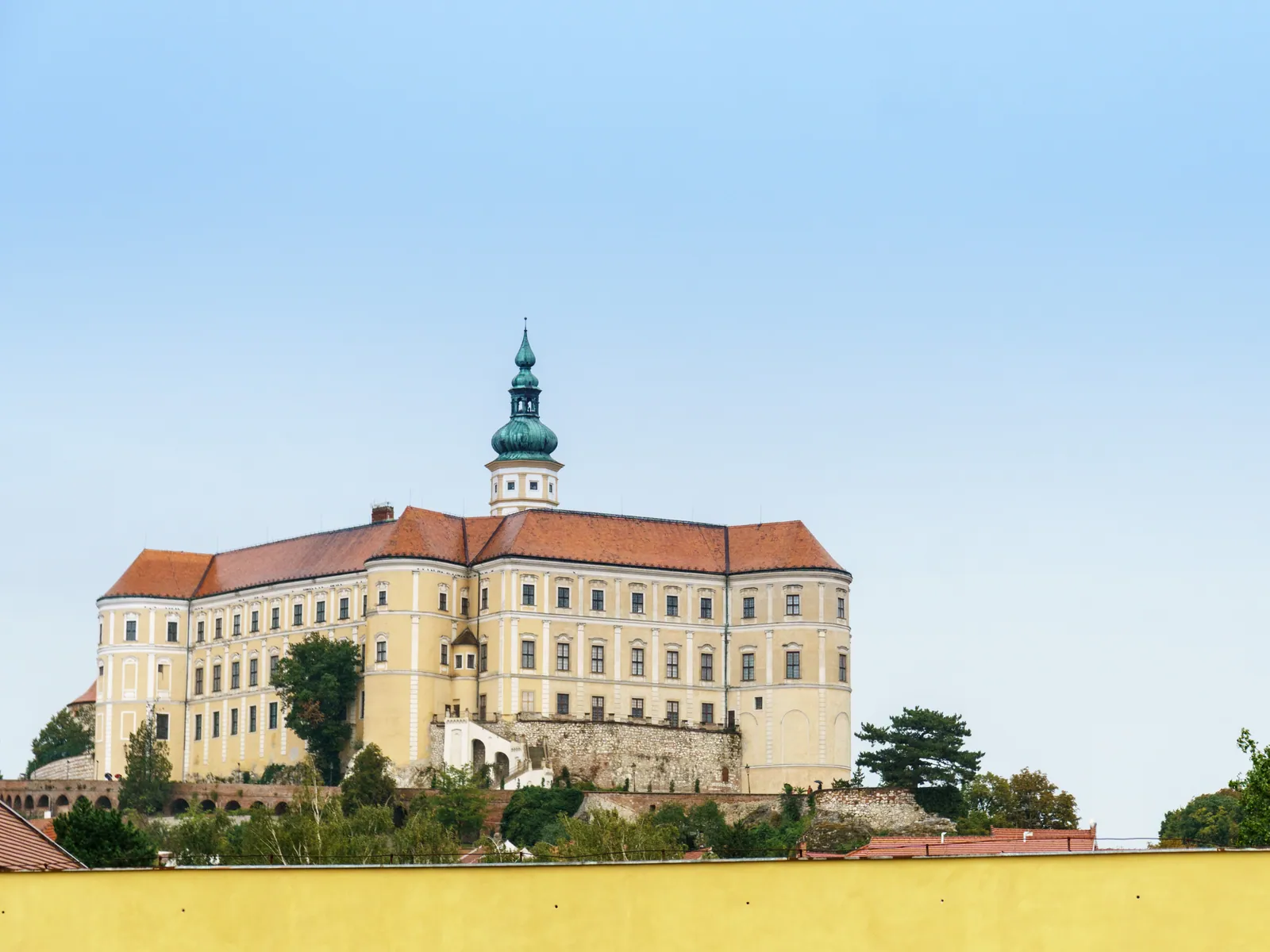
Around Mikulov, vineyards meet the hills of Pálava and a château rises over the town. Wine-growing is part of the region’s long history, alongside village traditions and the life of its small towns. The landscape feels open here. Follow the streets out towards the countryside and the view becomes as much about the hills as the buildings.
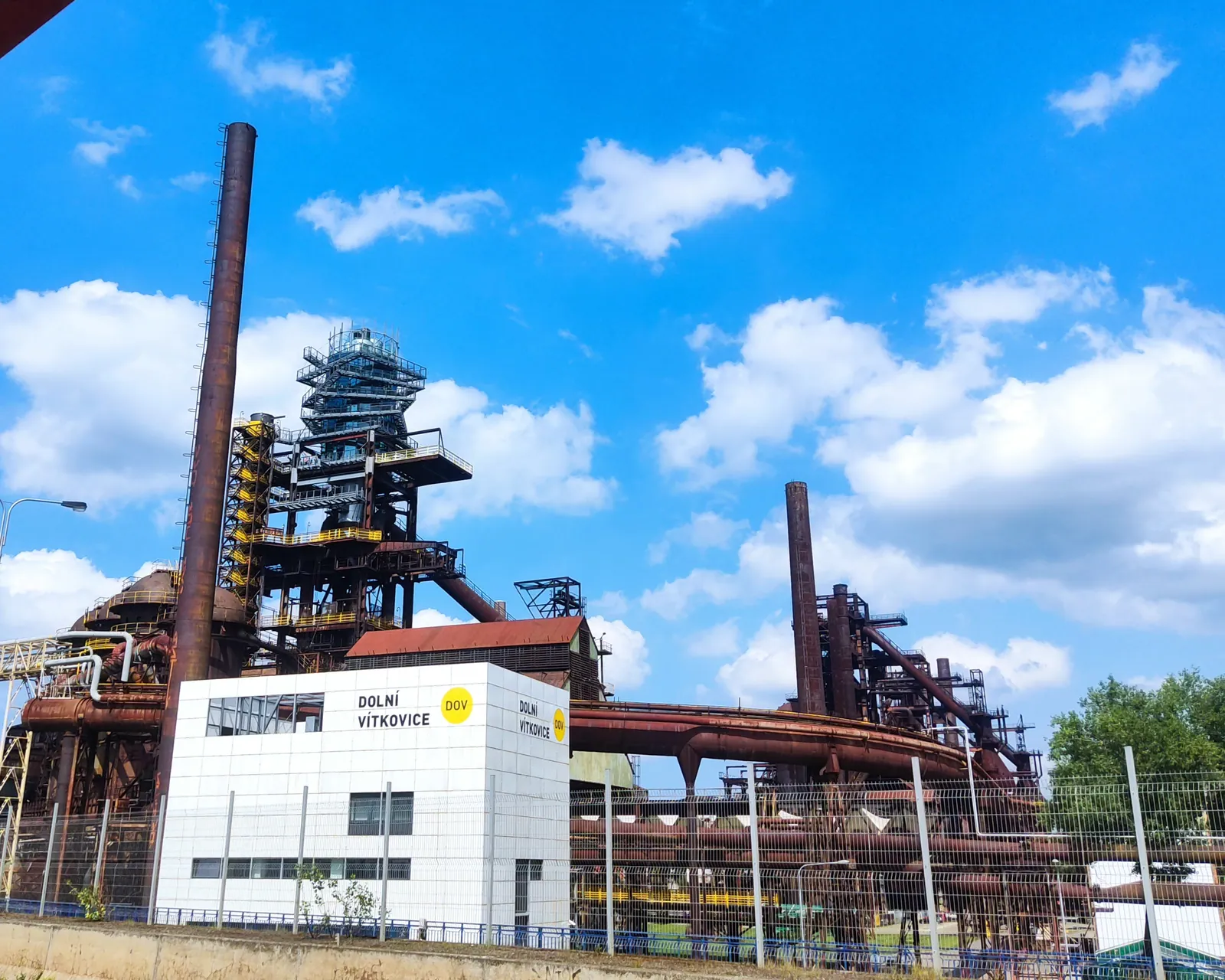
Ostrava adds another texture: steel, brick, and the outlines of an industrial past. At Dolní Vítkovice, former ironworks now hold spaces for culture, learning, and gathering. The structures remain part of the experience. It is a different kind of Czech landmark, where the story continues through the ways people use a place again.
Marked walking trails, a weekend at a cottage, an afternoon in the woods. Spending time outdoors has a well-established place in Czech life. You do not need a dramatic summit to understand the appeal; sometimes a familiar path and a little fresh air are enough.
02
Around the table
A bowl of soup, bread on the table, a koláč beside a coffee. Food is one way into a place, and Czech cooking has room for both hearty meals and something sweet. A café, bakery, or shared lunch offers another glimpse of the country at an everyday scale.
03
Made here
Glassmaking, music, and design are threads that run through Czech culture. They reach from workshops and concert halls into contemporary studios and smaller creative spaces. Look beyond the monuments and there are people shaping new things here too, working with old techniques or finding a language of their own.